Glow Up or Blow Up: The Ruthless Science Behind a Celebrity Comeback

Photo: confident celebrity walking into spotlight on stage, via images.stockcake.com
The timeline is almost always the same. A scandal breaks — a leaked video, a controversial interview, a public meltdown, a legal headline that nobody saw coming. Within hours, social media becomes a courtroom. Within days, the think pieces arrive. Within weeks, the brand deals quietly disappear.
And then, somewhere between six months and two years later, there they are. Back on your screen. Back on your playlist. Back in the conversation, somehow managing to seem not just rehabilitated but arguably more compelling than before.
This is not an accident. This is a business.
All Access Today spent time talking to crisis communications specialists, entertainment publicists, former network executives, and a few celebrities who've navigated the wreckage firsthand (all off the record, naturally) to map out exactly how the machinery of a celebrity comeback actually works — and why some attempts succeed spectacularly while others crater just as fast.
Step One: The Strategic Disappearance
Counter-intuitively, the first move in almost every successful comeback is to vanish.
"The worst thing a celebrity can do right after a scandal is keep talking," said one veteran crisis communications manager who has worked with clients across music, film, and sports. "Every statement, every appearance, every social media post becomes fuel. You're giving people more material to react to. The smart move is to go dark."
This strategic retreat serves multiple purposes. It lets the initial news cycle burn itself out — and in the current media environment, that cycle moves fast. It also creates space for the narrative to breathe, which is essential before attempting to reshape it. And perhaps most importantly, it signals a kind of seriousness. The celebrity who immediately goes on a press tour to explain themselves reads as defensive. The one who disappears for a while and then returns with something substantive to say reads as someone who actually reflected.
The duration matters, too. Go dark for two weeks and it looks like you're hiding. Go dark for six months and you've allowed enough distance for people to start wondering what you've been up to — which is exactly the energy you want walking back in.
The Accountability Pivot: Timing Is Everything
At some point, the silence has to break. And when it does, the approach is almost always the same: a carefully calibrated admission of wrongdoing, delivered in a setting the celebrity's team has complete control over.
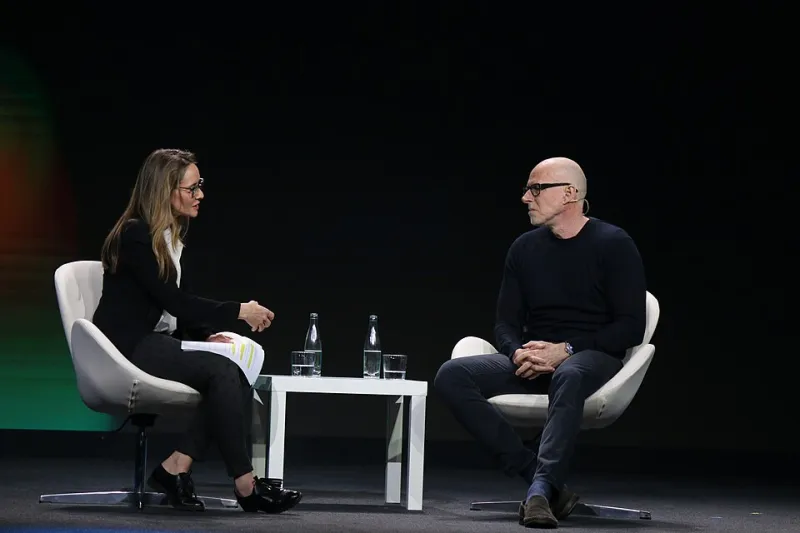
This is why the "exclusive sit-down interview" has become such a defining feature of the celebrity comeback arc. A profile in a major magazine, a one-on-one with a sympathetic but credible journalist, a personal essay in a high-traffic publication — these aren't just media appearances. They're controlled detonations.
"You pick the journalist, you pick the outlet, you know the questions in advance, and you've rehearsed the answers until they sound unrehearsed," explained one former entertainment publicist who now consults independently. "It's theater, but it's necessary theater. The audience wants to see remorse. They want to feel like the person understands what they did. If you can deliver that convincingly, you've cleared the first major hurdle."
The content of the accountability statement follows its own formula: acknowledge the behavior without excessive legal hedging, express genuine-sounding remorse, reference personal growth (therapy is almost always mentioned), and pivot toward future-focused language. What you don't do is over-explain, relitigate, or throw anyone else under the bus — at least not in round one.
The Social Media Recalibration
While the big interview is the centerpiece, the surrounding digital strategy is where the real image architecture gets built. A celebrity's social media presence during a comeback period is managed with a precision that would make a political campaign consultant nod in appreciation.
Posting frequency drops. Content becomes more personal, more human, less promotional. There are carefully placed glimpses of family life, community involvement, or creative work-in-progress. The aesthetic often shifts — warmer tones, more candid photography, fewer obviously staged shots. The subtext is consistent: I'm a real person. I've grown. I'm still here.
"Every post is a data point," said a digital strategist who works with entertainment talent. "The team is watching the engagement, the comments, the sentiment analysis. They're A/B testing almost everything. If a certain type of content lands well, you do more of it. If something gets a negative reaction, you course-correct immediately."
This is also where fan community management becomes critical. Loyal fan bases are the first line of reputation defense, and smart teams know how to activate them — not through obvious astroturfing, but through genuine community engagement that reminds casual observers the celebrity has real, committed support.
Case Studies in Comeback: What Works and What Doesn't
History offers a pretty clear pattern of what separates a successful rehabilitation from a failed one.
The comebacks that work tend to share a few things: time (enough of it), a genuine creative contribution to return with, an acknowledgment that lands as sincere rather than strategic, and a public that was ambivalent rather than uniformly hostile to begin with. They also tend to involve a reframing of identity — the celebrity isn't just returning to where they were, they're presenting a version of themselves that's more interesting, more textured, more evolved.
The ones that fail usually stumble on one of two things: returning too soon (the public hasn't had enough time to move on or recalibrate) or returning without anything substantive to offer (a press tour with no project behind it reads as pure reputation management, and audiences can smell it). There's also the catastrophic third option: the comeback attempt that goes wrong in real time, generating a second news cycle that's worse than the first.
"The biggest mistake is underestimating the audience," said the crisis communications specialist. "People are sophisticated now. They've watched enough of these cycles play out that they recognize the playbook. If you're going to do it, you have to do it with enough authenticity that the mechanics become invisible."
The Long Game
Here's what the most successful celebrity comebacks understand that the failed ones don't: reputation rehabilitation isn't a campaign with a start date and an end date. It's an ongoing, long-term investment.
The interview and the social media pivot are just the opening moves. What follows is years of consistent behavior, smart project choices, and careful relationship management with the press, the industry, and the public. The celebrities who truly rebuild their standing aren't the ones who executed a perfect six-month PR strategy — they're the ones who treated the comeback as a reset rather than a fix.
In Hollywood, as in most things, the story doesn't end with the scandal. It doesn't even end with the comeback. It just keeps going — and the people who understand that tend to be the ones still standing when the next chapter begins.