From Talent to Tycoon: How Hollywood's Biggest Stars Are Rewriting the Rules by Going Behind the Camera
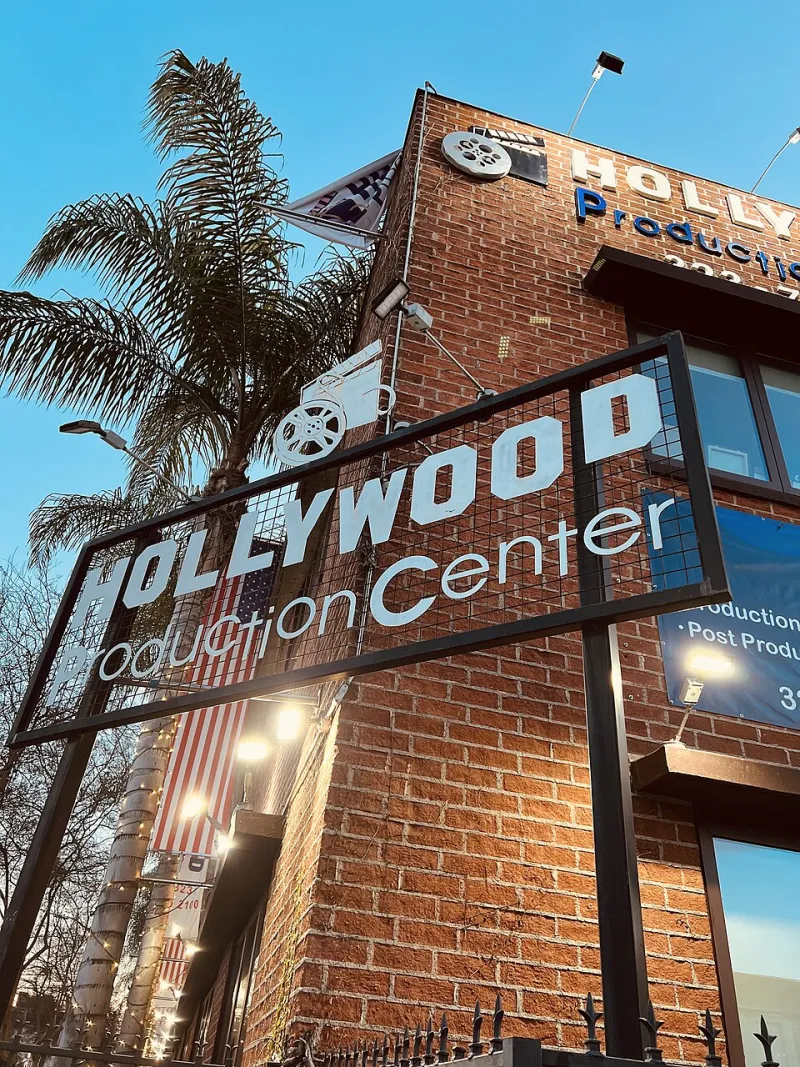
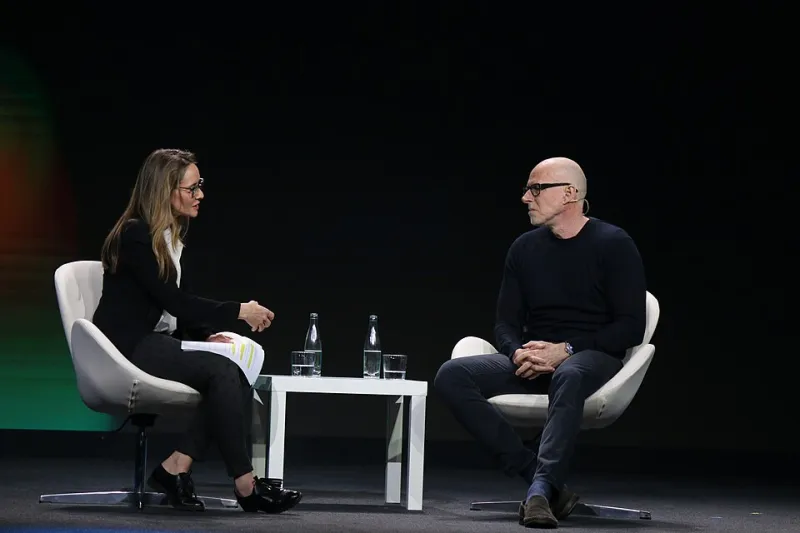
Photo: Ece Martinez, CC BY-SA 4.0, via Wikimedia Commons
For decades, the Hollywood machine worked a certain way: studios held the power, agents brokered the deals, and actors showed up, delivered their lines, and cashed their checks. But something seismic has been happening behind the scenes lately, and it's changing the entertainment industry in ways that would have seemed impossible even fifteen years ago. The biggest stars in the business aren't just performing anymore — they're producing, developing, distributing, and in some cases, outright owning the content that reaches your screen.
This isn't a trend. It's a full-on power shift.
The Moment Everything Changed
Industry insiders point to a confluence of factors that made this moment inevitable. The rise of streaming platforms created an insatiable demand for original content, which meant more negotiating leverage for talent. Meanwhile, social media handed celebrities a direct line to their audiences, making traditional gatekeepers — studios, publicists, media conglomerates — suddenly less essential.
When you already have 40 million Instagram followers who will watch anything you put your name on, you start asking a very reasonable question: why am I sharing the profits with everyone else?
The answer, for a growing number of A-listers, has been to stop sharing — and start owning.
Reese Witherspoon and the Blueprint Nobody Could Ignore
If there's one name that comes up in every conversation about celebrity-owned production companies, it's Reese Witherspoon. Her company, Hello Sunshine, didn't just produce a few vanity projects. It built an entire content ecosystem centered on female-driven storytelling — and the results have been staggering. Big Little Lies, Little Fires Everywhere, The Morning Show — all Hello Sunshine productions, all massive hits, all featuring Witherspoon in prominent roles she helped develop for herself.
But here's what really made the industry sit up and pay attention: in 2021, Hello Sunshine sold to a media investment group backed by Blackstone for a reported $900 million. Witherspoon didn't just make great TV — she built and sold a business valued close to a billion dollars. That's not a talent story anymore. That's an entrepreneur story.
Her blueprint has become something other celebrities study like a playbook.
The Streaming Wars Created Unexpected Opportunities
Netflix, Amazon Prime Video, Apple TV+, and HBO Max didn't just disrupt how we watch content — they disrupted who gets to make it. Traditional studios suddenly had serious competition for eyeballs, and that competition meant more willingness to cut unconventional deals with recognizable names.
Production companies helmed by celebrities became an attractive package for streaming platforms. You get a showrunner or executive producer with star power, a built-in audience, and a creative vision — all in one deal. For the celebrity, you get development funding, distribution infrastructure, and the kind of creative latitude that studio deals rarely offer.
Actors like Viola Davis (JuVee Productions), Ryan Reynolds (Maximum Effort), and Donald Glover (Gilga) have all leveraged this dynamic to develop projects that reflect their personal artistic priorities rather than whatever franchise a studio committee decided needed a sequel.
Control Is the New Currency
Talk to anyone who's spent time around celebrity production ventures, and one word comes up constantly: control. Not just creative control over scripts and casting — though that matters enormously — but control over timing, marketing, partnerships, and the narrative around the work itself.
When a star is just talent for hire, a studio can push a release date, recut a film, or pivot the entire marketing campaign without a single conversation with the actor whose face is on the poster. When that same actor has a producing credit and equity in the project, those conversations become mandatory.
That shift in dynamic has profound implications for how stories get told. Projects that might have been watered down or shelved entirely have found their way to audiences because a passionate celebrity-producer refused to let them disappear into development hell.
The Financial Architecture Behind the Scenes
The money side of these arrangements is genuinely complex, and most celebrities are smart enough to surround themselves with sharp business minds. A typical celebrity production company isn't just one entity — it's often a network of LLCs, first-look deals with streaming platforms, co-production agreements with established studios, and strategic investments in adjacent businesses.
First-look deals, in particular, have become a crucial piece of the puzzle. Under these arrangements, a streaming service or studio gets the right to see a production company's projects before anyone else, in exchange for a development fee that keeps the lights on and the development staff employed. It's essentially a retainer that gives celebrities the financial runway to develop projects over time rather than rushing to market.
For the biggest names, these deals can run into eight figures — meaning the production company is profitable before a single show ever airs.
Not Everyone Gets It Right
It would be misleading to paint this trend as universally successful. For every Hello Sunshine, there are a half-dozen celebrity production shingles that generate a lot of press releases and very little actual content. Building a production company requires skills that have nothing to do with acting — you need development instincts, business acumen, the ability to manage creative teams, and frankly, a tolerance for the grinding, unglamorous work of getting projects from concept to screen.
Some celebrities have learned this the hard way, attaching their names to ventures that fizzled quietly. Others have overcorrected in the opposite direction, micromanaging every decision until talented collaborators walked away.
The ones who've thrived tend to share a common trait: they know what they don't know, and they hire accordingly.
What This Means for the Rest of Hollywood
The ripple effects of this shift are still playing out across the industry. Traditional studios are adapting — some reluctantly, some enthusiastically — to a landscape where their biggest stars are also their competitors. Talent agencies have had to evolve their business models as the line between client and employer gets increasingly blurry.
For audiences, the impact is arguably positive. Content developed by people who genuinely care about the material, rather than by committee, tends to be more distinctive and more daring. The stories being told through celebrity-owned production companies often reflect perspectives and experiences that wouldn't have made it through a traditional development process.
And for the celebrities themselves? They've discovered something that changes everything: once you've experienced what it feels like to own your creative output, going back to being talent for hire feels like leaving money — and power — on the table.
The playbook has been written. Now the whole industry is trying to figure out how to respond.