More Than a Face: The Hollywood Stars Who Actually Own the Brands You're Obsessed With
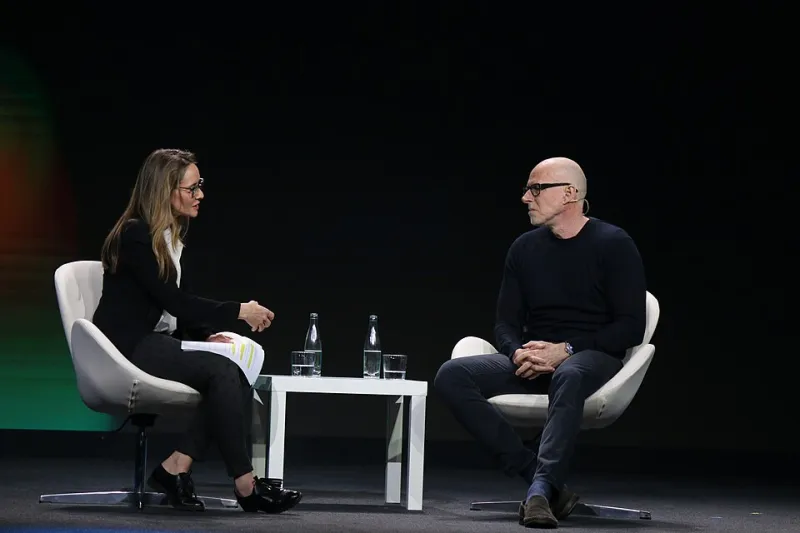
Photo: Xuthoria, CC BY-SA 4.0, via Wikimedia Commons
The next time you reach for that celebrity-fronted beauty serum or slip on those influencer-approved sneakers, pause for a second. Because there's a very good chance the famous face on the packaging isn't just a hired spokesperson — they might be your product's actual boss.
The celebrity-brand relationship has undergone a seismic shift over the last decade, and the transformation is more dramatic than most consumers realize. What started as straightforward endorsement deals — star gets a check, brand gets visibility — has evolved into something far more complex, more lucrative, and frankly, more interesting.
Welcome to the era of the celebrity power player.
From Spokesperson to Shareholder
The old model was simple: a brand approaches a celebrity, negotiates a fee, puts their face on a billboard, and calls it a day. That model still exists, but it's increasingly the junior varsity version of what's actually happening at the highest levels.
Today's most business-savvy stars are negotiating equity stakes instead of — or in addition to — flat fees. They're demanding seats on advisory boards. They're inserting creative control clauses that give them final say over product development, packaging, and marketing direction. In some cases, they're founding the companies outright and then leveraging their celebrity to scale them in ways a traditional startup simply couldn't.
"The conversation has completely changed," says one entertainment attorney who structures these deals regularly. "Ten years ago, a celebrity client would ask 'what's the fee?' Now the first question is 'what's the equity structure?' They've gotten very sophisticated about building long-term wealth through brand ownership rather than just trading their name for a check."
The numbers justify the strategy. A well-executed celebrity brand can generate returns that make even a blockbuster film's backend points look modest. We've seen this play out publicly with ventures in spirits, beauty, and athleisure — categories where celebrity founders have turned relatively modest initial investments into nine and ten-figure valuations.
Beauty's Biggest Secret Bosses
The beauty industry is arguably where celebrity brand ownership has most dramatically reshaped the landscape. What's interesting isn't just that stars are launching their own beauty lines — that's been happening for years — it's the depth of involvement that's changed.
A new generation of celebrity beauty founders is showing up to product development meetings. They're weighing in on ingredient sourcing. They're pushing back on formulations that don't meet their standards. They're building teams of actual beauty industry veterans and treating their brands like real businesses rather than licensing plays.
Industry insiders note that retailers have gotten sharper about distinguishing between celebrities who are genuinely running their beauty operations and those who are simply lending their name. "Buyers at major retailers ask very specific questions now," one beauty industry consultant told All Access Today. "They want to know if the celebrity can speak to the product without a handler feeding them lines. The ones who can't get found out pretty quickly."
The brands that are winning long-term tend to be the ones where the celebrity's involvement is substantive enough that the company could, at least theoretically, tell a coherent story without leaning entirely on the founder's fame.
Fashion's Hidden Architects
Fashion has its own version of this story, and it's playing out in some unexpected ways. Beyond the obvious celebrity fashion lines, there's a whole shadow economy of stars who hold quiet ownership stakes or creative partnerships with established brands that never get announced in a press release.
Think limited partnership agreements with luxury houses. Think creative consulting arrangements with emerging streetwear labels that carry no public attribution. Think revenue-sharing structures built into what looks from the outside like a standard collaboration deal.
"A lot of what gets called a 'collab' in the press is actually a much more substantive business arrangement," explains one fashion industry insider familiar with how these deals are structured. "The celebrity might have meaningful ownership in the collection's revenue, input on the design process, and sometimes even a path to acquiring a larger stake in the overall brand. It's just not disclosed publicly because both sides prefer it that way."
For the brands, the benefit is obvious: they get cultural cachet and reach that traditional marketing can't buy. For the celebrities, it's an opportunity to build equity in an industry they're already influencing for free through their personal style.
Lifestyle Brands and the Long Game
Perhaps the most sophisticated play in the celebrity brand ownership space is happening in lifestyle — a category broad enough to encompass everything from wellness and fitness to home goods, food and beverage, and media.
Some stars are building what amount to lifestyle holding companies: a collection of brand relationships and ownership stakes that together create a diversified business portfolio. The entertainment career becomes almost a marketing asset for the broader business empire rather than the primary revenue engine.
This is a fundamentally different relationship with fame than previous generations of celebrities had. Rather than trying to maximize earnings during peak fame, the strategic celebrities of today are using peak fame to build structures that will generate income long after the spotlight dims.
"The smartest people I work with think of their celebrity as a renewable resource that they're investing, not just spending," says one business manager who represents multiple A-list clients. "Every brand partnership is evaluated not just for what it pays today but for what it builds toward."
What This Means for You, the Consumer
So what does any of this mean for the person standing in the Sephora aisle or scrolling through a brand's Instagram trying to decide whether to buy?
Honestly, it's complicated. On one hand, a celebrity who genuinely uses and believes in a product — and has skin in the game financially — is arguably a more credible endorser than one who collected a check and moved on. The incentive alignment is real.
On the other hand, the lines between authentic enthusiasm and financial interest are blurrier than ever. When a celebrity posts glowingly about a brand they quietly co-own, is that a genuine recommendation or a business transaction dressed up as personal content? The FTC has been increasingly focused on disclosure requirements, but enforcement is inconsistent and the creative ways deals are structured can make full transparency genuinely complicated.
What's clear is that the celebrity-brand relationship is no longer a simple transaction. It's a layered, sophisticated business arrangement that's reshaping both the entertainment industry and consumer culture — one equity stake at a time.
Next time your favorite star posts about a product? It might be worth asking: are they selling it, or do they actually own it?